Treasury and corporate buybacks are propping up bond and stock markets
Recent bond and share buybacks reflect government and board strategies to stabilize prices and influence borrowing costs, as real private buyers step back from the market.
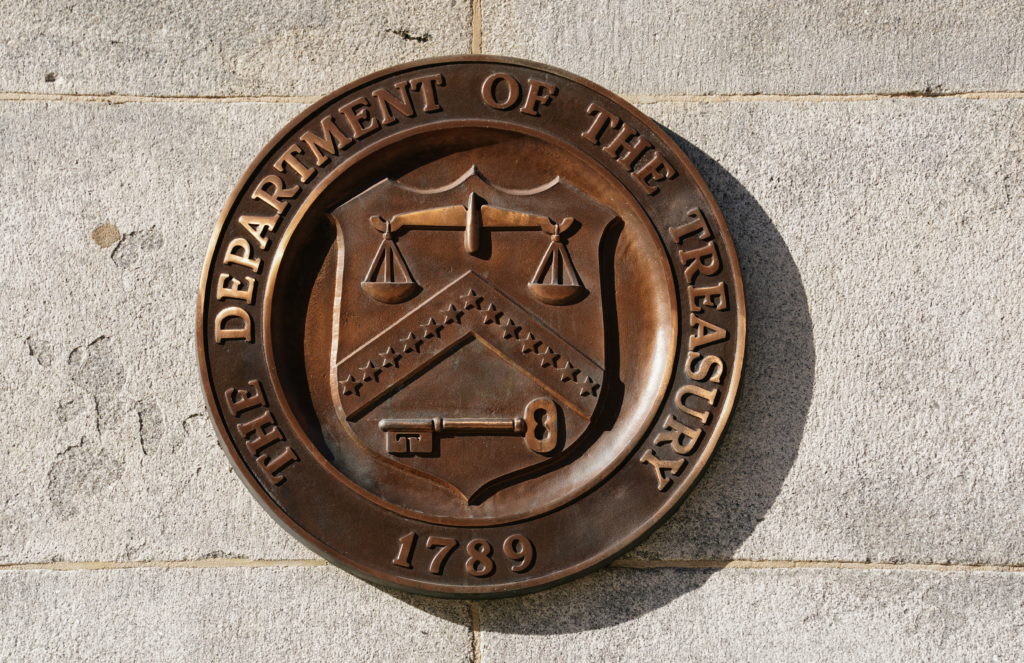
On Wednesday, August 19, the Treasury Department doubled its liquidity-support buybacks after the 30-year yield touched roughly 5.33 percent, its highest since June 2007, amid what traders called a buyers' strike in long-dated government debt, according to Altinavcisi on August 20.
That same week, companies were repurchasing their own shares at an annualized pace above one trillion dollars, heading for a record authorization close to $1.2 trillion, as reported in the FinancialContent market analysis on March 30. Both markets closed higher. Neither has found a real buyer.
The actors line up cleanly, and the stakes are the price of money itself for the next decade. Scott Bessent's Treasury wants long borrowing costs down before rolling hundreds of billions of maturing debt into new auctions; its tool is buying back older, illiquid bonds to make the rest look safer, Bloomberg reported on August 20. Corporate boards want earnings per share to rise without needing sales growth, so they cancel stock instead.
SK Hynix is the largest case. Its board approved a 40 trillion won program on August 19, about $28.6 billion, with every purchased share to be cancelled, the largest cancellation ever by a South Korean company, according to Chosun Ilbo on August 19.
Elizabeth Warren wants defense contractors to stop using taxpayer contracts as the collateral for buybacks, citing more than $100 billion repurchased by top contractors since 2020, Benzinga reported on August 18.
On August 13, a $25 billion sale of 30-year bonds cleared at 5.216 percent, the highest yield for that maturity at auction since 2001. A 10-year note sale that same week drew its steepest financing cost since 2007, according to TradingTips on August 20. Two days later, the Treasury doubled the size of its liquidity-support operations for bonds dated from the 10-year out to the 30-year, at least doubling them again within a week. Bessent said he is prepared to go beyond $4 billion per issue with a new fiscal initiative coming, as reported by Bloomberg on August 20.
The United States owes more than $40 trillion and must keep selling the longest, most expensive debt in its peacetime history into a market that has stopped volunteering, CryptoBriefing reported on August 21. When the marginal buyer of Treasuries walks away, every other price in dollar assets loses its anchor. Long rates are the gravity of the system.
A bond-market tweak moved Bitcoin roughly 25 percent, from about $64,000 to $78,500 in three days, alongside some $650 million of weekly inflows into spot ETFs, according to CoinDesk on August 22.
Corporate buybacks rest on the same floor. They add nearly four percentage points of S&P 500 earnings growth per quarter purely by shrinking the share count, FinancialContent reported on March 30. Companies can fund trillion-dollar repurchases only while long-term money stays affordable enough that keeping cash idle looks foolish. But long-term money is exactly what the government is now struggling to sell at any tolerable rate.
The equity floor stands on cheap duration, and cheap duration now exists only because Treasury itself manufactures it by retiring old bonds. The depth under both markets is rented, and the landlord is the same office.
The Bank of England's mornings
September 2022 offers the model. British pension funds were forced sellers of gilts, yields spiraled, and the Bank stepped in with temporary purchases. It worked for days. Yields fell hard on intervention mornings and climbed back between them, because everyone learned the state would pay whatever price was needed to stop a spiral. No one needed to hold the asset voluntarily anymore. London ended the episode with a prime minister gone in six weeks and a permanent subsidy embedded in pension funding. Relief bought with public balance sheets expires the moment the buyer hesitates.
The counter-case argues the other way. When the Federal Reserve bought corporate bonds in 2020, the mere announcement ended the panic, and the actual holdings stayed trivial. Markets did stay calmer for years afterward. If Bessent's operation is a signal rather than a flow, the $4 billion per issue barely matters against a $30 trillion Treasury market, as analysts noted the day stocks rose on the news, according to the New York Times (NYT) on August 19.
A credible promise can substitute for a purchase. The problem is that credibility is spent each time the buyer returns, and the promise weakens. The Fed announced once. Treasury has already had to double twice inside two weeks, Bloomberg reported on August 19.
Layered consequences
Long yields fall on announcement days, equities rally, risk appetite returns. Treasury keeps issuing into the same thin demand, auctions clear wider than the buyback pushes down, and the gap widens each cycle. That is what happened Thursday when the 30-year gave back all of Wednesday's gains and traded back above 5.27 percent, according to Bloomberg on August 20.
Government pays up to retire expensive debt while issuing still more of it, transferring the cost to taxpayers as interest expense, while corporate treasurers borrow against the resulting calm to cancel more shares. German and French ten-year yields hit 15-year and 18-year highs the same week, so this is not only an American buyers' strike, The Economist reported on August 22.
The profit goes to those selling into state-supported strength: boards cancelling stock at record highs, and holders of illiquid old Treasuries paid by the liquidity-support operations. The bill lands on new savers buying 5-plus-percent bonds issued by a government paying record interest, and eventually on taxpayers through the interest line of the budget. Warren's complaint points at the same seam from the other side: taxpayer-funded defense work funding $100 billion of contractor share cancellations while the Treasury itself begs for buyers, Benzinga reported on August 18. Public money is flowing toward private prices from both directions.
If this reading is right, Treasury announces a bigger or more frequent buyback schedule within weeks, and each announcement buys fewer basis points than the last, the way the Bank of England's mornings shortened in 2022. Watch the September quarterly refunding auctions.
If the 30-year clears above the levels the buybacks were launched to defend, the rented depth is being repriced in real time.
What would break the story is long yields grinding lower over months with the operations unchanged, meaning private buyers actually returned and the interventions were a bridge rather than a crutch. That outcome is available. Nothing in this week's tape supports it yet.
The desk at Treasury writes checks to buy back America's own debt. The boardroom next door writes checks to cancel its own stock. Each is convinced the other guy's bid is the real one. One of them is wrong. The interest bill will tell us which.