Europe moves to ban Russian LNG tanker repairs after final dockings
Danish shipyard Fayard is legally overhauling Russian LNG carriers this summer before a January ban, letting Novatek’s critical fleet remain operational through the coming winter.
The stakes and the window
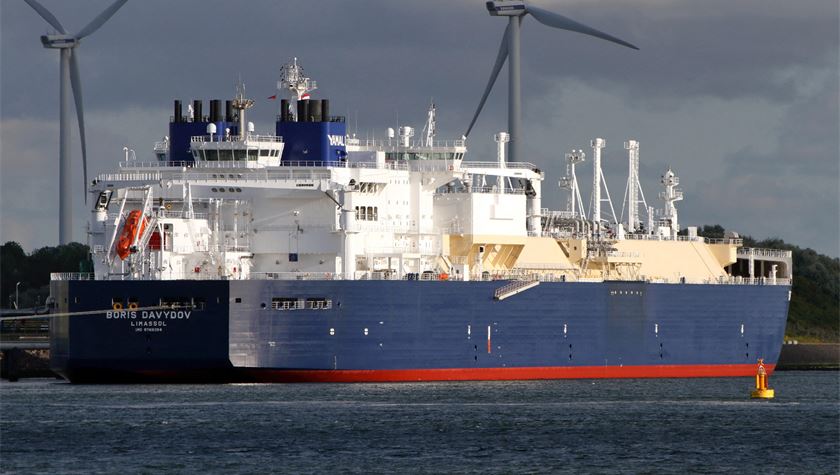
At half past seven on the morning of June 30, a ship called the Rudolf Samoylovich eased into Fayard's dry dock near Odense, Denmark. It flies the Bahamian flag and hauls liquefied natural gas out of Russia's Yamal peninsula, around Siberia's northern coast, one of fifteen icebreaking carriers Novatek cannot run without.
In January 2027, European yards will be barred from touching hulls like it. This summer they may service up to six more before the window closes; PortNews reported on July 2 that Fayard could take as many as six additional overhauls before then. Europe is outlawing the work and doing the work in the same season.
The stakes are a project's revenue and a sanction's credibility. Novatek's Yamal plant needs those fifteen Arc7 hulls to move cargo year-round through ice that would trap a conventional tanker; without them the project stalls. Fayard wants the repair contracts and can honestly say the work is legal until January. The European Commission wants Russian gas revenue choked but accepted a long transition so its own buyers could honor contracts through the end of 2026, with the full LNG import ban landing January 1, 2027, as reported by Cyprus Mail on July 16.
Ukraine's sanctions adviser Vladyslav Vlasiuk is pressing Copenhagen to stop the summer overhauls now. He calls each repaired tanker millions of dollars for the Kremlin, according to Politico on August 22. Copenhagen has so far let the dockings run.
A maintenance cycle makes the difference
The January ban itself set off the rush. The pressure underneath is older: since 2022, every Western exit from this trade has left one door open a little longer, and each door has been used.
GTT, the French company whose membrane technology lines the tanks of nearly every large LNG carrier afloat, announced its withdrawal from Russia in January 2023, yet remained listed as an approved technology reference for the very yard work now under fire, as reported by Reuters on January 2, 2023 and PortNews on July 2. Dutch shipbuilder Damen quit the servicing business, which handed Fayard a monopoly it did not ask to hold and did not decline.
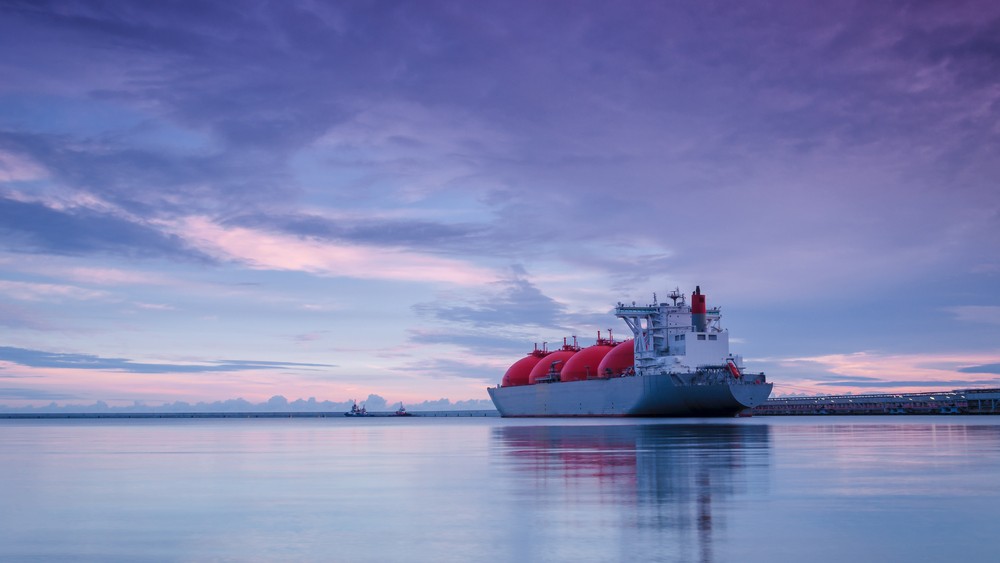
A maintenance cycle explains why the timing matters more than the ban date. An Arc7 carrier goes into heavy overhaul only once every two to three years, so a dry-docking done in August 2026 keeps the ship legally sailing deep into 2028 and beyond, well after the prohibition takes effect. Shipping analyst Malte Humpert told Politico on August 22 that this summer's queue was "kind of the last hurrah": owners who know the European door closes in January are loading up on maintenance now so they do not need another dock for years. The sanction, applied late, may have already done most of what it will ever do.
The historical comparison and its decay
When the United States and its allies restricted the technology for Siberia's Urengoy pipeline in 1981 and 1982, the equipment had largely been delivered and the pipeline ran anyway. Embargoes aimed at machinery already in place tend to freeze the status quo rather than reverse it. The difference here is decay rather than construction: pipes do not need dry docks, but icebreaking tankers need pod repairs, hull steel and class surveys, so the choke point is real if anyone chooses to use it.
The counter-case argues the other way, and it is Chinese and Korean.
Arc7 vessels can be serviced in China, South Korea or Japan, though Politico reported on August 22 that the yards sit far from the Yamal-to-Europe route and the detours cost time and money.
And Russia is building an answer at home: Zvezda shipyard near Vladivostok delivered the Alexey Kosygin, the first domestically assembled Arc7 carrier, in January 2026, even as earlier hulls like the Konstantin Posyet dragged through prolonged sea trials, as reported by gCaptain on March 13, 2026. A monopoly that lasts two or three refit cycles may be exactly as strong as Russia needs it not to be by the time it matters.
The Greek wrinkle and exemptions
Then there is the Greek wrinkle that shows where enforcement actually bends. Athens vetoed an early draft of the EU's 21st sanctions package that would have banned vessels carrying Russian LNG anywhere, because Dynagas, the Greek operator controlled by George Prokopiou, runs eleven LNG ships including seven ice-class carriers tied to Yamal business, according to Eastern Herald on July 22. Greece got an exemption letting its ships serve non-EU customers, and the package passed with the Russian oil price cap frozen at $44 per barrel, as reported by Clash Report in July 2026. The transport layer was carved out before the maintenance layer was ever closed.
The bill lands in odd places. Humpert estimates Europe spent around $40 billion on Russian LNG since the war began, a flow those fifteen ships made physically possible, as reported by Politico on August 22. Until January the cargoes keep coming, the Danish yard keeps billing, and the Greek shipowners keep earning freight on both the legal and gray routes eastward to Asia.
Who profits first is Fayard's balance sheet and Seapeak's management fees on ships like the Rudolf Samoylovich, managed from Glasgow through a Marshall Islands owner Ukraine sanctioned last December, as reported by PortNews on July 2. Who pays later is whoever owns the insurance, the charters and the debt behind a fleet that loses its nearest certified repair shop.
For a retail reader, the exposure runs through shipping and services rather than the gas price itself. European yard and marine-services groups lose a revenue stream they were quietly paid for; Greek LNG tonnage providers carry the risk that a future package removes their exemption, which would strand ice-class ships worth their freight premium only on Russian routes. Any tightening of the remaining window, Asian yards included, shows up first in charter rates for ice-class carriers heading east with no scheduled docking.
The read holds if Fayard's dock schedule empties in the autumn with five or six Arc7 overhauls completed, and those ships appear on the Northern Sea Route through 2028 without another European call. It breaks if Copenhagen or Brussels pulls the January date forward, or an Arc7 suffers a propulsion-pod failure next winter and cannot reach any compliant dock, forcing Novatek to idle cargo and proving the choke point bites immediately.
Europe did not fail to sanction the Arctic fleet, it invoiced it first. A sanction that waits out the maintenance cycle is a press release with a delay timer.