High-yield data center bonds no longer pay a premium over ordinary junk
The market has decided that a warehouse full of Nvidia (NVDA) chips leased to billionaires is exactly as safe as any other company's IOU, and priced it accordingly.
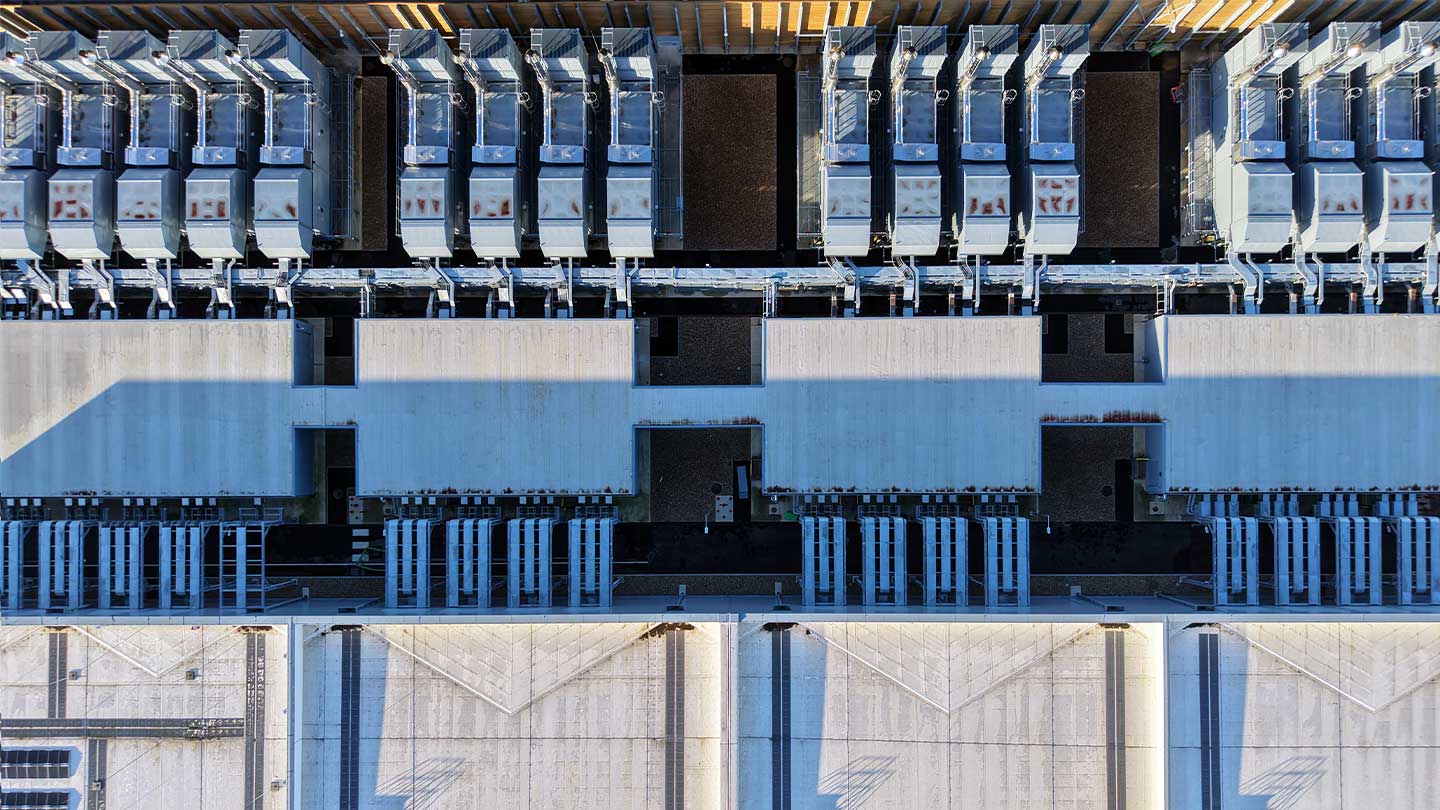
Two facts sat side by side this month and could not both survive. Bonds sold in July for a Texas data center project pay a 7.53 percent yield, more than middle-tier junk bonds often pay despite carrying far better protection.
The average American junk bond trades just 271 basis points over Treasuries, among the tightest readings ever recorded, according to the Family Office Market Monitor for the week ending August 14. A lender can now hold blue-chip AI paper and earn more than he gets for lending to genuinely shaky companies. This is a market that has stopped charging for the difference between these two kinds of risk. The stakes reach beyond one month's pricing. A whole industry's borrowing cost got repriced before most investors learned its name.
The first bonds were structured through Blue Owl and backed by Meta's (META) El Paso commitments, and Bloomberg reported their pricing on August 22.
The borrowers are data center developers and so-called neoclouds like CoreWeave (CRWV). CoreWeave alone has 6.5 billion dollars of straight high-yield bonds outstanding according to Bond Vigilantes' May 7 analysis. They want cheap money fast, because their buildings only earn once powered.
The buyers are junk-bond fund managers whose benchmarks now contain this sector, meaning every manager who ignores it risks lagging his rivals. In between sit the arrangers, Blackstone (BX) and its peers, who package these buildings into bonds and collect fees along the way. Each party is paid to keep the machine running. Nobody in the chain is paid to ask what happens if the tenant stops renting.
The tourists cross over
August's pricing was the trigger. Investment-grade AI paper began yielding above junk averages and junk-fund managers crossed over to buy it; Bloomberg described them as tourists on August 22. The slow pressure underneath started earlier. Fifteen high-yield data center bonds totaling 39 billion dollars now exist. Bond Vigilantes reported on May 7 that nearly all were issued within the past year, from effectively nothing.
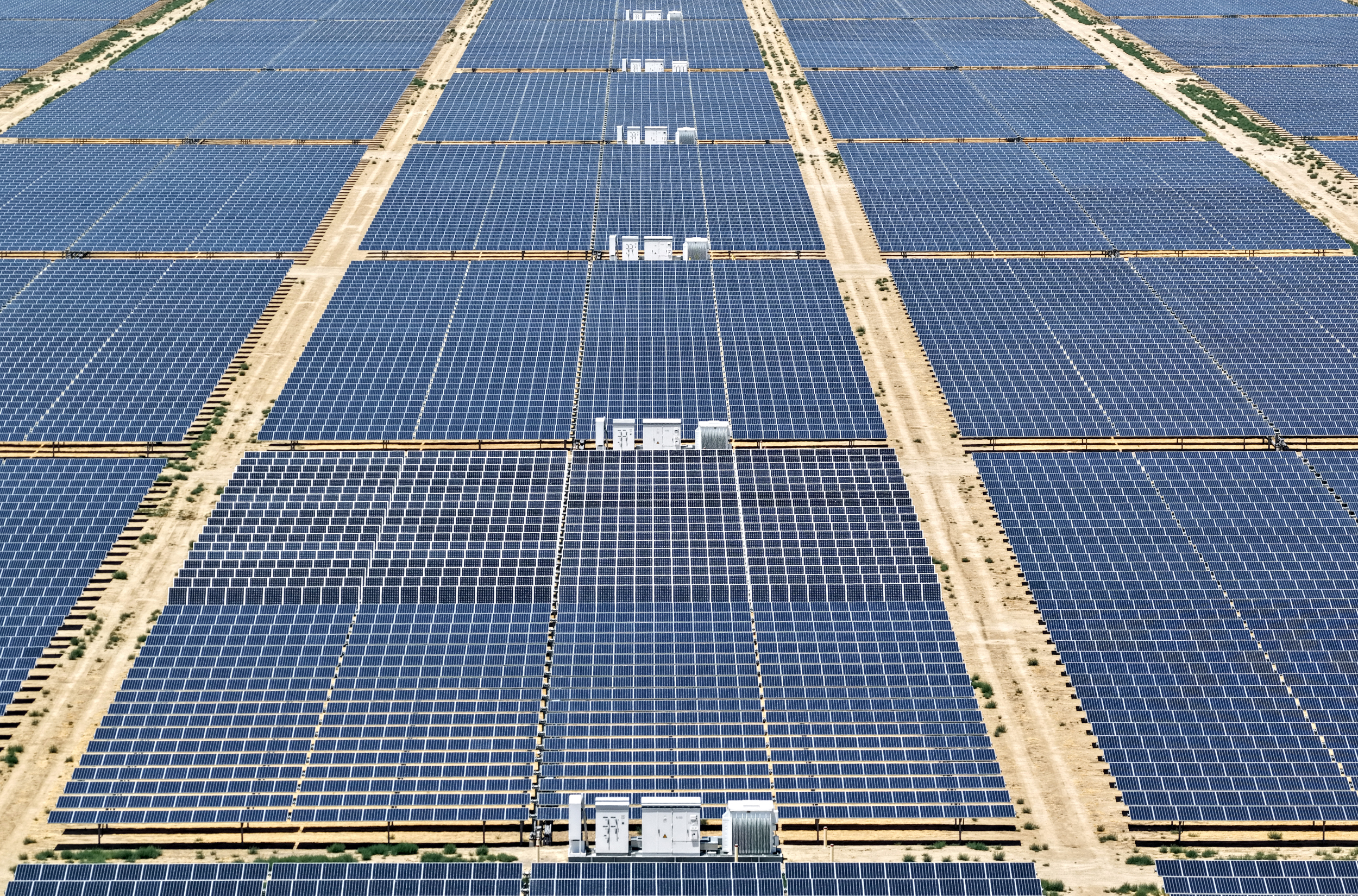
That is roughly 2.6 percent of the entire US junk index, and forecasts call for 100 to 120 billion dollars more over the next few years. Bond Vigilantes' May 7 report noted that this would make data centers a sector as large as retail or capital goods inside the index.
Pimco's David Forgash, who runs the firm's high-yield and bank-loan money, puts the trajectory bluntly. He told Livemint on May 29 that this debt was zero percent of the junk market a year ago, is about four percent now, and is expected to reach ten percent within two years. Supply met a wall of demand at exactly the moment yields elsewhere looked thin.
These bonds come built like project finance. Usually five-year notes callable after two, mostly amortizing, meaning the building repays its own debt on a schedule rather than rolling it forever, as Bond Vigilantes described in the May 7 piece. Many carry leases from tenants like Microsoft (MSFT), Amazon (AMZN) and Meta (META), or backstops from Google (GOOGL). Buyers took those names as proof of safety and stopped demanding extra yield for construction delay, power connection queues, and untested lease clauses. The label said junk. The coupon paid like safer paper.
In the late 1990s, telecom carriers funded a national fiber buildout with junk bonds on the promise of internet demand that arrived later than the debt came due. WorldCom and Global Crossing went down and took the sector's access to markets with them. The parallel is exact in shape. There was a real technology, a real buildout, and debt raised faster than revenue could be proven.
What is different this time is the tenant. A 1999 fiber cable had hope as its customer; a 2026 data center has a signed lease from a company worth trillions. Pimco explicitly favors deals where the offtake contract cannot easily be terminated and repayment lands before the contract ends, the firm told Livemint on May 29.
But the counterexample argues the other way too. Energy junk bonds blew up in 2015 to 2017 because oil prices were set by a market outside any participant's control. Data center rents are set by contract, and the hyperscalers signing those leases face their own pressure to keep computing capacity coming. If demand holds, this debt performs exactly as advertised, and the skeptics look like the people who shorted fiber in 1997 and missed three more years of gains.
One label, two markets
Forgash says about 75 percent of this debt trades at spreads around six percent while the rest sits at ten percent or greater, a split that masks stress beneath calm conditions, per his May 29 comments to Livemint. Two markets are forming inside one label. Bonds tied to investment-grade sponsors and iron leases price like corporate staples, while single-project paper from lesser-known developers still pays distress-level premiums to find buyers. The average looks serene because the good half drowns out the bad half. That is precisely how a sector looks just before the halves stop being confused.
If AI revenues disappoint even modestly, the weakest projects cannot refinance at maturity, and the amortizing structure that reassured buyers becomes a forced seller of electricity the market no longer wants. The people who pay are junk-bond holders, ultimately retirement savers, who bought at spreads assuming the sector's best credits described all of them.
The people profiting today are the developers who locked in cheap fixed-rate money and the banks collecting arrangement fees on each new package. More than 250 billion dollars of hyperscaler-related borrowing globally already hangs off this trade, Livemint reported on May 29. CRE Daily reported in August 2026 that the Securities and Exchange Commission has loosened securitization rules for data center bonds to let more of it through.
What confirms the benign read is that the next crop of single-tenant data center deals prices within touching distance of comparable ordinary junk and the ten-percent-spread tail shrinks rather than grows. What breaks it is if one mid-sized developer loses a tenant or misses an interest payment and the two markets inside the label snap visibly apart, repricing everything behind it. Watch the new-issue announcements, not the index.
A premium is a price paid for uncertainty, and the entire AI buildout is uncertain in ways no lease fully covers. The market has simply agreed to stop looking.
When a quarter of a trillion dollars in borrowed money rests on the assumption that the biggest tenants will always need more capacity, the risk is no longer in the buildings. It is in the sameness of everyone's bet.