ADNOC ships draw attacks as Iranian strikes target the only functioning Gulf crude exit
While Iran aims at ADNOC’s tankers, its pipeline out of Fujairah keeps oil moving as hundreds of other vessels wait for Hormuz to reopen.
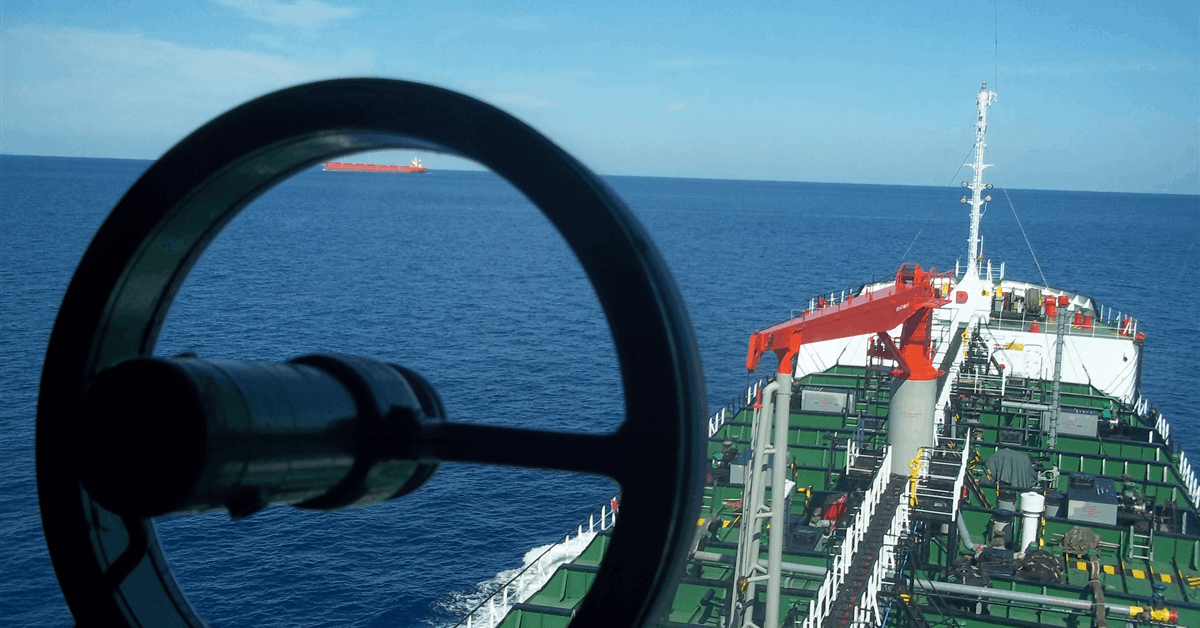
Sultan al-Jaber wants the Strait of Hormuz open "unconditionally," and his company's ships are the ones taking the fire for keeping it shut. Al Arabiya reported on August 7 that fifteen missile and drone strikes have hit ADNOC vessels since the war began.
Yet ADNOC is also the only producer moving large crude volumes out of the Gulf with any reliability right now, through a pipeline to its own port on the far side of the strait, while roughly 230 tankers idle outside Hormuz waiting for water it no longer needs. Turkiye Today described the queue on August 20; Al Arabiya drew the same contrast in its August 7 report. The firm demanding the door be reopened is the same one holding the key.
The trigger was Friday, August 8, when Iran struck an ADNOC tanker with a missile inside the strait and the UAE answered by vowing to defend its shipping, as the New Indian Express reported that day. Iran is shooting at the specific operator demonstrating that the strait can be replaced, because every barrel that leaves via Fujairah proves Iran's chokepoint matters less.
The August 8 attack capped a week in which three ADNOC vessels were hit by missiles and drones on transits, bringing the wartime total against the company alone to fifteen hulls (Al Arabiya, Aug 7).
Underneath the gunfire sits six months of slow pressure. Traffic through Hormuz has collapsed to a rump: Lloyds List Intelligence counted seventy-three transits in the week of August 10 to 16, down from ninety-one the week before, against a normal rhythm of dozens per day even before the crisis, in figures published August 19. Brent has ground toward a three-week high as traders price both the attacks and the death of diplomacy, QuiverQuant noted on August 19. Every week the strait stays shut, the economics of building around it improve, and the political fact of Iran's grip on the waterway erodes one pipeline weld at a time.
Past the strait entirely
ADNOC holds the asset everyone else lacks. Its Habshan-Fujairah pipeline already carries up to 1.8 million barrels a day from Abu Dhabi's fields to a port on the Gulf of Oman, past the strait entirely, according to the capacity figure Gulf Business published on August 19. A second bypass line is now reported nearly half complete after the UAE accelerated construction because of the war, targeted for 2027, Modern Diplomacy reported on August 19. Abu Dhabi is also weighing an LNG export terminal on the same eastern coast, Economy.ac noted in August 2026, so gas can join crude outside Iran's reach.
The customers see where this goes. Saudi Aramco is reportedly negotiating deliveries through Fujairah rather than waiting for the strait, and its chief executive Amin Nasser has called the existing pipeline "the main route that we are capitalizing on right now" while the kingdom weighs Red Sea terminals of its own (Daily Sabah, citing FT reporting). Iraq's state marketer SOMO and Kuwait Petroleum are named as possible followers of the Emirati model (Energynews.pro, Aug 2026). If they follow, the corridor's toll gate moves from a twenty-one-mile strait patrolled by Iran's Revolutionary Guard to a pipehead controlled by Abu Dhabi.
Suez after 1967
Egypt closed the Suez canal in 1967 and kept it shut for eight years. The world did not wait for it to reopen; it built supertankers big enough to round the Cape cheaply and pipelines like SUMED to move oil past the blockage. When the canal reopened in 1975 it came back to a trade that had reorganized itself without asking permission.
The lesson cuts both ways. Bypasses built under emergency conditions rarely reach full size. SUMED and the Cape route absorbed the adjustment but Suez never lost its importance, and VIF India pointed out on August 19 that a 1.8-million-barrel pipeline is a sliver against the twenty million barrels a day the strait normally carries.
Shippers pay first, and they are paying spectacularly. Very large crude carriers on the Gulf-to-China route have printed rates above four hundred thousand dollars a day during this crisis, more than ten times a normal year, according to Baltic Exchange assessments carried by LSEG that the World Ports Organization cited in 2026. Buyers reroute next, to whoever can deliver without escort.
Chinese refiners and Asian utilities will sign for Fujairah barrels over convoy-dependent ones, not out of politics but because a cargo that arrives is worth more than a cargo that waits. Last, pricing power migrates. OPEC quota discipline assumed all members faced the same exit; ADNOC's exit now costs less than Iraq's or Kuwait's, which quietly hands Abu Dhabi room to sell more at the others' expense.
Who profits is no mystery. ADNOC converts a security liability into an annuity: storage tanks at Fujairah, bunkering business, throughput fees on a pipeline its rivals may need to license. Shipowners with modern tonnage willing to sail escorted convoys collect record hire.
Who pays is equally clear. The 230 crews anchored off Bandar Abbas and Muscat burn fuel money day after day for their charterers, as Turkiye Today reported on August 20. Asian refiners pay the freight premium embedded in every barrel, and motorists at the far end of the chain pay at the pump without ever learning the name of a waterway.
Each missile against an ADNOC hull raises insurance costs and delays convoys, but each missile also pushes Aramco, SOMO and Kuwait Petroleum closer to pipes and terminals that make Iranian coercion irrelevant. Iran is spending its scarcest asset, fear of the strait, to defend the value of the strait, and every purchase depreciates it.
By 2027, when the second UAE line opens, the threat that once disciplined the whole Gulf may discipline only those who chose not to build.
Fujairah anchorages and pipeline nominations will tell. If third-party crude volumes through Habshan-Fujairah rise through September while strait transits stay near their current floor of roughly seventy a week, Lloyds List Intelligence put the count there on August 19, the corridor consolidation is real and accelerating. Watch also for a signed SOMO or Kuwait Petroleum agreement to move barrels via the east coast; that would convert speculation into contract.
A durable reopening of the strait breaks the read. If naval escort arrangements expand until transit counts recover toward normal and war-risk premiums collapse, the bypass economics weaken sharply, the 2027 pipeline becomes a hedge rather than a toll road, and Iran's hold over the waterway reverts to something like its old price. A single week of data could do it; the read dies the day the queue disperses.
The judgment here is uncomfortable for everyone involved: Iran is attacking the very shipments that prove its blockade works, Abu Dhabi is monetizing the siege of its neighbors' exports.
And the customers waiting outside the corridor are funding the construction of a door they will never control. Empires used to close seas; now national oil firms build around them and charge admission.