Gold and silver jumped as Treasury doubled buybacks and bond yields fell
Metals moved days before Treasury's long-term debt retreat, surging ahead of the buyback announcement while yields briefly dropped.
On Wednesday afternoon, US News & World Report reported on August 19 that the US Treasury announced it would double its buybacks of long-dated debt, with at least four billion dollars per operation through early November, and the thirty-year yield fell as much as ten basis points before settling back.
The same afternoon brought the counter-move. FXStreet reported on August 19 that the Federal Reserve's July minutes showed officials holding rates unchanged with three dissents arguing for a hike, because inflation is still too high for their liking. One arm of the government is working to push its own long-term borrowing costs down at the very moment its central bank is saying costs should stay high to fight inflation. A government leaning on its borrowing costs while its central bank wants them higher is a confession.
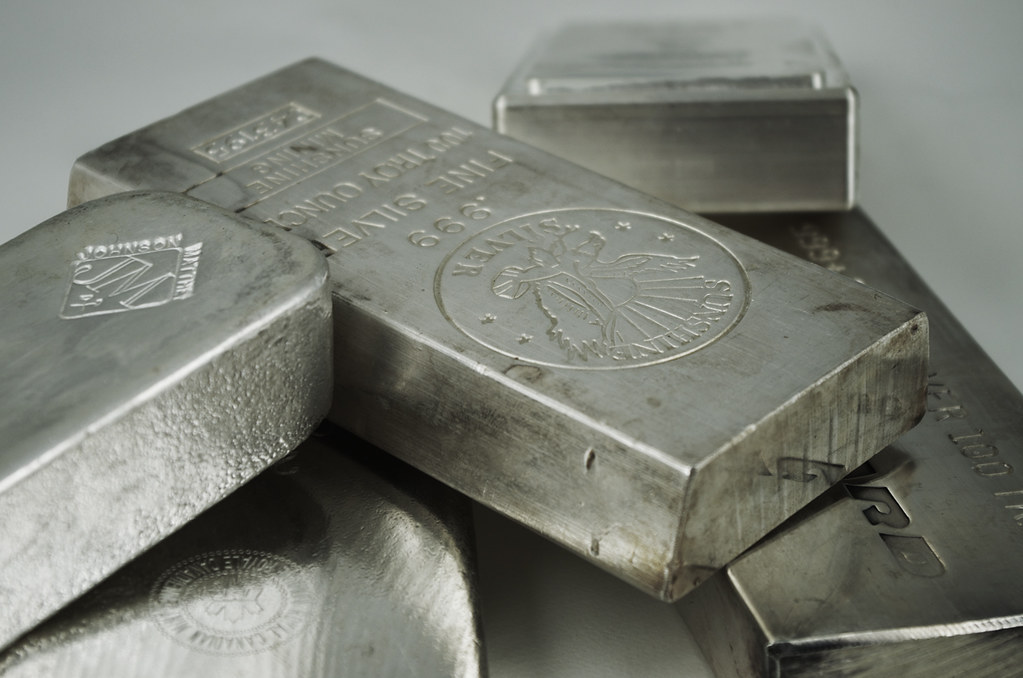
Gold jumped roughly three percent to around $4,460 an ounce within hours of the announcement and pressed above $4,500 by Friday, with Anadolu Agency catching the jump on August 19 and Bloomberg the Friday mark on August 21. Silver moved harder, near six percent in the heat of Wednesday's session.
Money Morning noted on August 21 that silver had been sitting above $64 an ounce on COMEX even before the trigger arrived; metalcharts.org had logged that level back on August 12. Metals are supposed to follow real yields. This time they led, and what they were leading away from was the idea that the world's largest debtor can still let its long end float freely.
Scott Bessent runs a Treasury presiding over public debt that crossed forty trillion dollars this week, up by a third in under five years, as the Straits Times reported on August 20. His objective is blunt: keep thirty-year borrowing costs off the front pages before a heavy autumn refunding calendar. The Federal Reserve wants inflation credibility and just told the world, through three dissenters, that it has less of it than the market assumed.
The buyers never stopped
The buyers on the other side of the trade are central banks. Net official purchases hit 244 tonnes in the first quarter of 2026 and accelerated to 288.9 tonnes in the second, up 62 percent from a year earlier, figures from the World Gold Council's May 10 release, with Q2 data carried by investment-policy.com. Poland wants a fifth of its reserves in gold and buys at any price. The Bank of Korea disclosed a roughly $250 million position in SPDR Gold Shares in June, Kitco reported on August 20, its first gold-linked investment since 2013, filed quietly inside its foreign exchange reserves.
The trigger was one man's press release. The pressure is five years of deficits financed at ever-longer maturities into thinner demand, with the thirty-year yield having already touched its highest level since 2007 before Bessent blinked, according to livenewschat.eu's August 2026 market recap. Wall Street's own verdict on the fix was unsentimental. "It's a drop in the bucket relative to the other pressures on yields," said Lori Heinel, global chief investment officer at State Street (STT) Investment Management, according to Politico on august 19. Four billion dollars of buybacks against a forty-trillion-dollar stack is a signal that support is now considered necessary.
1979 as the model
Then, as now, a US government found its long-term funding costs politically intolerable while inflation ran hot, and gold ran ahead of everything, from roughly $220 an ounce in early 1979 to $850 by January 1980, months before bond yields actually peaked in 1981. The metals market did not wait for the Volcker shock to be credible; it priced the possibility that the authorities would choose inflation over the pain of paying higher interest.
What is different this time is that no Volcker is available: the dissents in the July minutes went the other way, toward more tightening, but the elected branch moved visibly against them within hours.
What argues the other way is scale, today's buybacks are funded by issuing bills, not printing money, so the balance-sheet expansion that supercharged gold in 1980 is absent, according to CoinDesk on august 21.
Second order. Every basis point the Treasury suppresses makes the dollar worth less against things that cannot be issued: the currency hit a three-month low the same day, and bitcoin ran to $78,000 by Friday, according to CoinDesk on august 21. Third order. If yields rebound anyway, as they began to do Thursday, Bessent must either enlarge the program or watch the signal fail in public. He has already said he is willing to go bigger, Reuters reported via Kitco on August 20. Each escalation converts a liquidity operation into something closer to managed yields, and each conversion transfers credibility from the bond desk to the bullion vault.
Who pays and who profits
The payers are savers holding dollars and short-term Treasuries, who absorb the debasement without any offsetting price move; and foreign creditors, whose marginal willingness to roll forty trillion depends on the promise Washington just softened. The profiting side includes gold miners, whose margins expand faster than the metal, and the reserve managers who accumulated quietly through 2025 and 2026: Russia excepted, since its central bank has been selling, down 1.6 million ounces this year as of August 1 to cover budget holes, investinglive.com reported in August 2026. Sovereigns sell gold when they must and buy it when they can. The buyers have deeper pockets.
For a reader with a brokerage account, the trade splits cleanly across three assets. Long-duration Treasury funds now carry the price floor the Treasury itself built under the long bond. Gold and silver vehicles and producers carry the bet that American credit keeps losing credibility. The dollar index carries both sides at once, which is why it fell hardest on the news. Silver sits at the sharp end because it is small, metalcharts.org counted the entire COMEX registered stock near 99 million ounces as of August 12, trivial next to the paper claims against it, so the same fiscal story moves it twice as far.
What could break this read. Does the bond market reassert itself? If thirty-year yields grind back above their pre-Bessent highs despite enlarged buybacks, the metals' lead becomes a false alarm and gold gives back its August gains, exactly as it did in the 2013 taper episode when the bond vigilantes won and bullion collapsed. Watch the auctions, not the press releases. A weak long-bond auction in September would tell you the drop in the bucket stayed a drop.
What confirms the read instead is quieter. Further Treasury upsizing beyond November, another quarter of official gold buying above 250 tonnes, and the Bank of Korea's peers filing similar disclosures.
When the borrower starts buying its own debt to manage the price, the last honest pricing mechanism left in the room is the one nobody issues, and this month, gold quoted the truth about American credit several days before the Treasury was forced to say it out loud.