Russia is importing fuel while its old customers queue at Iran's door
The world's largest discount fuel station has run dry at the pump just as the buyers who abandoned it come knocking again, and both shortages are feeding each other.
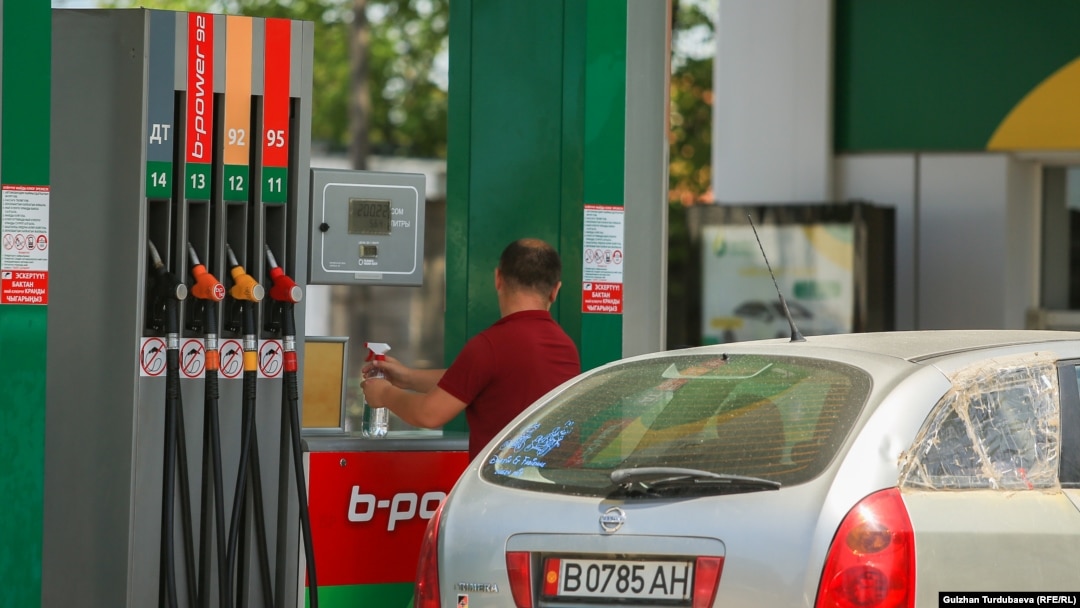
At the end of July, a tanker carrying Indian gasoline sat off Murmansk with nowhere to go. The cargo had been bought to plug the holes Ukrainian drones were blowing in Russia's refining belt, and by mid-August it had reached neither a single retail station nor the wholesale market, as The Moscow Times reported on August 21.
Russia, the country that spent three years dumping discounted diesel on every port from Singapore to Santos, is now arranging ship-to-ship transfers to bring in roughly 270,000 tonnes of foreign refined fuel this month, about a third of it from India, The Times of India reported in August 2026.
Underneath sits something stranger than the surface absurdity. The customers Russia lost when its crude got too hot to touch are trying to come back, and Russia cannot fully serve them either. Iran's crude exports have collapsed to around 156,000 barrels per day under the American naval blockade announced this week, according to Kpler maritime data from August 19, so Chinese refiners who had been buying Tehran's discounted barrels are scrambling for replacement feedstock.
China's seaborne Russian crude imports are running near 1.25 million bpd this month, by Kpler estimates cited by Clyde Russell on August 19.
Vladimir Putin needs fuel for harvesters, trucks and the army, and needs export revenue more, because refining is where the war economy converts crude into cash. Volodymyr Zelensky's drone forces have decided that conversion machinery is the softest target in Russia, and they have the range to prove it.
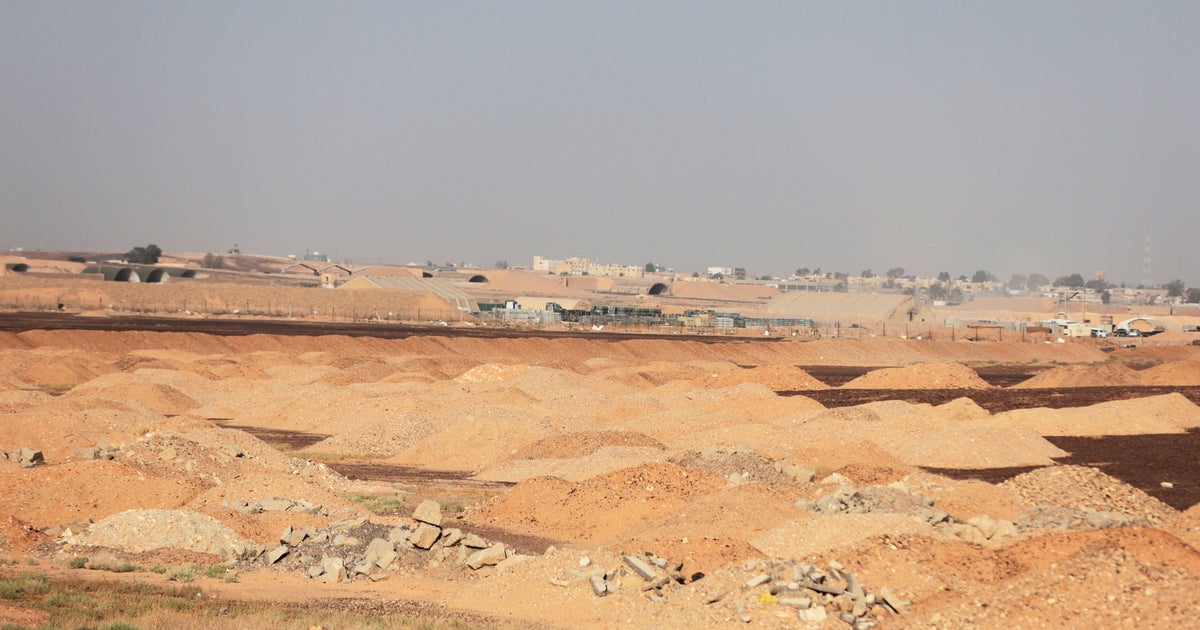
Jefferies analysis published via ZeroHedge in August 2026 shows the strike on the Omsk refinery came from 2,675 kilometres inside Russian territory, hitting the most sophisticated plant in the country.
Donald Trump wants maximum pressure on Tehran without breaking the tariff truce with Xi Jinping ahead of his visit next month, Bloomberg reported via ArcaMax in August 2026. And Chinese teapot refiners want the cheapest barrel that does not get their cargoes seized, which last year meant Iran and this month means Russia.
Drones hit the Slavneft-YANOS refinery in Yaroslavl on August 6, a plant that processes roughly 300,000 bpd, alongside the Bashneft-Novoil complex in Bashkortostan, Armstrong Economics noted in August 2026. The Gazprom Neft Moscow refinery had already been hit in June, pushing combined outages toward 600,000 bpd, according to Oil Authority figures from June 2026.
The slow pressure is five years old. Russia built its export machine on the assumption that its refineries sit far behind the front line, and Ukrainian engineers have been erasing that assumption refinery by refinery. Diesel exports fell to about 80,000 bpd in early August, down from over a million at the end of 2025, Kpler tanker tracking showed in August 2026.
Before the strikes, Russia net-exported roughly 850,000 bpd of diesel, by Jefferies' count via ZeroHedge in August 2026.
Moscow extended the gasoline export ban through the end of 2026 and jet fuel restrictions into November, Drewry reported in August 2026. Deputy Prime Minister Alexander Novak admitted on August 19 that Russia is importing fuel, has banned exports, and is monitoring shortages region by region, as ISW recorded on August 20.
Fuel was reachable at only about 28 percent of stations surveyed in the worst-hit weeks, down from 40 percent a week earlier, with Moscow, Crimea and Krasnodar Krai hit hardest, Topwar reported in August 2026. Energy Minister Sergei Tsivilyov insists petrol is available "everywhere" while conceding there are long queues, iNews noted in August 2026. When a state starts importing the very commodity it criminalised exporting, the internal argument is settled.
Diesel exports collapse
Britain entered the Second World War as a coal exporter and within two years was rationing domestically while shipping stayed prioritised for the war effort, because enemy action against mines and ports converted an export strength into a home-front liability faster than new supply could be dug. Drones against fixed infrastructure do the same work here, turning an exporter into an importer in months rather than years, and the importer status then hands the attacker a target list written in queues at petrol stations. Putin himself called the strikes on economic targets the opening of "Pandora's Box," The Moscow Times reported on August 23, an admission that the exchange rate of pain now runs both ways.
Refineries can be repaired. Omsk is thousands of kilometres from Ukrainian soil yet was still reached, which cuts both ways, because distance did not save it but repair crews work faster than drone campaigns destroy. Belarus stepped in with record shipments. Russian customs data carried by Mezha in July 2026 show 141,000 tonnes of gasoline in the first 25 days of June alone, 2.4 times May's volume and vastly above the token amounts of 2025. If Kyiv's stock of long-range drones thins, or Russian air defences adapt, the shortage eases within a season. The read breaks if autumn repairs bring diesel exports back above half a million barrels a day.
Russia pays import prices for fuel and loses export premiums at the same time, a double hit to the same rouble account.
Its discount barrels get dearer, and they have. Baird Maritime reported in August 2026 that Urals delivered to India flipped to a premium over Brent for the first time since May.
Then the bill reaches Asia. Indian refiners saw Russian crude arrivals drop from 2.79 million bpd in July to an estimated 1.87 million in August, by Kpler figures carried via Boereport on August 19, so Reliance and Indian Oil bid for Gulf and West African barrels, lifting freight and pulling Dangote's Nigerian gasoline into gaps left by blocked Iranian product across Africa, Data Explained noted in August 2026. Everyone downstream of the Persian Gulf and the Black Sea pays a little more at the pump this winter.
The war's newest front runs through distillation columns.
Who profits
Whoever owns working refining capacity outside the firing line profits. Gulf exporters, Dangote, and American diesel merchants whose crack spreads Jefferies calls madness with no easy exit (ZeroHedge, Aug 2026). Russian motorists queue, Chinese teapot refineries pay up for replacement crude, and Indian factories buy costlier power fuel.
The driver in Krasnodar circles a shuttered station while the budget in Moscow chooses between repairing refineries, subsidising imports, and funding the war, all from one shrinking pot. An army that cannot refine what it pumps is fighting on borrowed fuel, and the lenders know it.