The drones took the fuel exports that paid for the drones
Ukraine is bombing the only part of Russia's economy that still pays for the war, and Russia cannot defend it without spending what it earns from it.
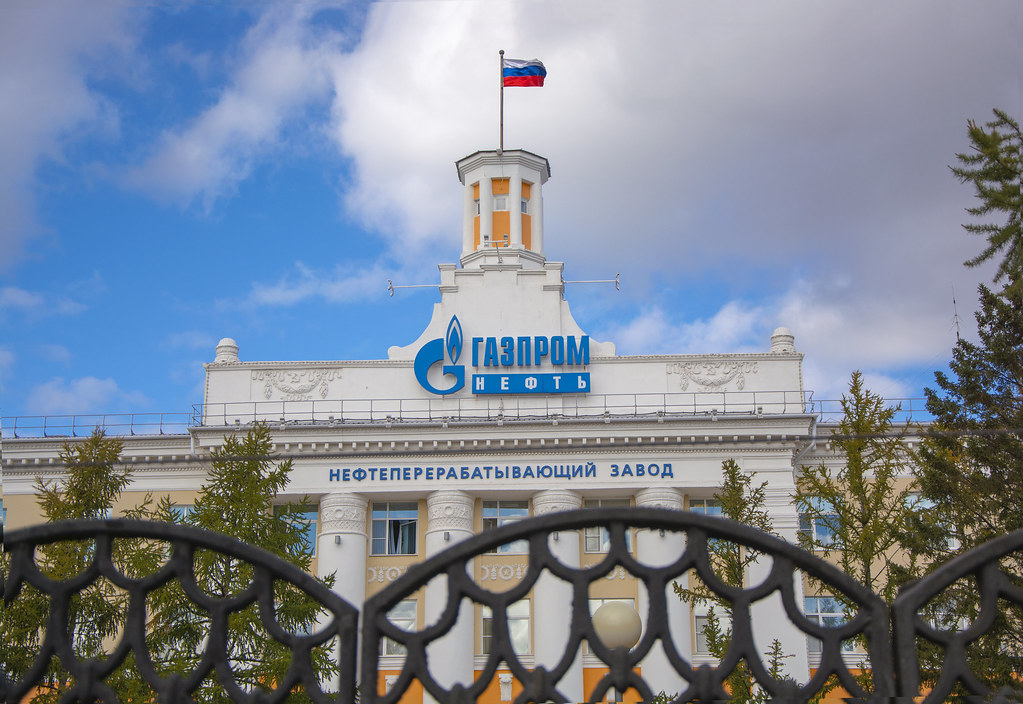
Russia is buying gasoline from Morocco this August. The country that filled Europe's fuel tanks for decades cannot now fill its own, and has banned its own exports to keep drivers at home.
That would be a footnote if the Kremlin did not still need hard currency to pay soldiers, factories and bondholders, money that has always come from selling fuel abroad, as Daily Post Nigeria reported on August 2. A state forced to choose between paying its war and keeping its citizens driving has set up a contest neither side of which survives the winter intact.
The trigger is a campaign of drone strikes that has grown from harassment into something close to a blockade. Ukrainian long-range drones hit a major Gazprom-run refinery some 800 miles inside Russia on August 13, setting it ablaze; the Los Angeles Times reported the strike that day. A strike on an industrial city ten days earlier killed at least 13 people, according to the Guardian on August 10. By late July, trackers counted eight major refineries hit with damage serious enough to cut or halt output, Caspian Policy Center noted on July 29.
The consequence shows up in export ledgers. Reuters reported on August 13 that Russia's seaborne diesel and gasoil shipments collapsed to about 80,000 barrels per day in the first week of August, a multiyear low, down from roughly a million barrels a day before the campaign.
Underneath the trigger sits a slower squeeze. TFTC noted on July 8 that Russia banned diesel exports outright that day, and Novaya Gazeta Europe reported in 2026 the repeated extensions of bans on gasoline, marine fuel and gas oils to protect the domestic market.
The finance ministry's own numbers show the shape of the problem: oil and gas revenue rose 60 percent in July against a weak 2025, but is still down 11 percent for January through July as a whole, Reuters wrote in August 2026.
Researchers at the Centre for Research on Energy and Clean Air put July's fossil fuel earnings at 683 million euros a day, a 12 percent drop from June with volumes unchanged, meaning Russia is selling the same barrels for less, according to CREA on August 10. The product barrel, the high-margin part that funds the budget's flexibility, is what the drones removed.
Kyiv wants to cut the war's funding at the source and has found that refineries, fixed, flammable and impossible to relocate, are cheaper to hit than to defend. Moscow wants to keep crude flowing, because crude still finds buyers in India and China regardless of sanctions, while rationing gasoline at home to avoid the political cost of empty pumps. Reuters wrote in August 2026 that Rosneft, Russia's largest producer, capped sales at 30 litres per vehicle at its filling stations nationwide. India wants cheap crude and has taken record Russian volumes this year, indifferent to what happens to the refining margin downstream, CREA noted on August 10.
Blockade and shortage
The history that fits is Germany in 1944. Allied bombers went after synthetic fuel plants and refining capacity rather than oilfields, and German jet and panzer units that existed on paper could not move for lack of diesel. Kyiv seems to have absorbed the lesson: you do not have to stop oil coming out of the ground; you have to stop it being turned into something an economy can burn. The counter-example argues caution.
Iraq under sanctions in the 1990s and Iran today both showed that a determined state can reroute, smuggle and discount its way to survival revenues, and Russia's crude exports have indeed stayed roughly flat through two years of attacks. Products are different from crude. A refinery cannot be smuggled.
Budget and market shifts
First, the direct hit. Russia loses the diesel, gasoline and jet fuel exports that were among its most liquid sources of dollars and euros, and the finance ministry covers the gap by drawing down the National Wealth Fund and borrowing from state banks, both of which are finite, Free Network policy briefs reported in 2026. Second, the domestic bill. Shortages force rationing, import purchases at world prices in hard currency, and subsidies to refiners repairing drone damage, so the state pays twice for every strike, once in lost exports and once in crisis spending.
Shifting profits
Third, the world market. Russia was the second-largest diesel exporter after the United States, and OPEC's own monthly report for August 2026 wrote its absence pushed European refining margins to multi-year highs in July. European drivers and shippers pay a bit more; Russian refineries and their insurers and repair crews pay much more.
Who profits is equally concrete. Refiners in India, Turkey and the Gulf capture the diesel margin Russia dropped, and American exporters of distillate ship into a market with the second-largest seller missing. Inside Russia, the profit shifts to whoever controls allocation, because when fuel is rationed by administrative decision, the decision becomes an asset. Traders with licenses to import, and the shadow-fleet operators still moving crude at discounts, do fine. The budget, the regions that host the burning refineries, and the motorists queuing in Siberian towns do not.
The observable sequence
The observable sequence, if the read is right. More emergency export bans extended into the autumn, more gasoline imports arriving by sea, a widening budget deficit reported by the finance ministry as product revenue stays depressed, and continued Ukrainian strikes timed to refinery restarts. What breaks the read. A serious air-defense fix that lets damaged refineries return to full rates, a negotiated pause that stops the strikes, or a sustained crude price spike high enough that raw oil revenue alone covers the war budget without the product barrel. The July revenue jump shows that second path is not fantasy when prices run hot, as Reuters stated in August 2026.
The judgment this earns is not that Russia's war economy is collapsing; it is that its funding model has been inverted.
For two years the West tried to price Russia out of its own oil with sanctions and a price cap, and volumes barely moved.
Ukraine has done more damage to export earnings in one drone season with cheap airframes than the sanctions regime managed in two, because it attacks the refining and export machinery rather than the buyer. The war budget is now being defended by the same fuel it used to sell.